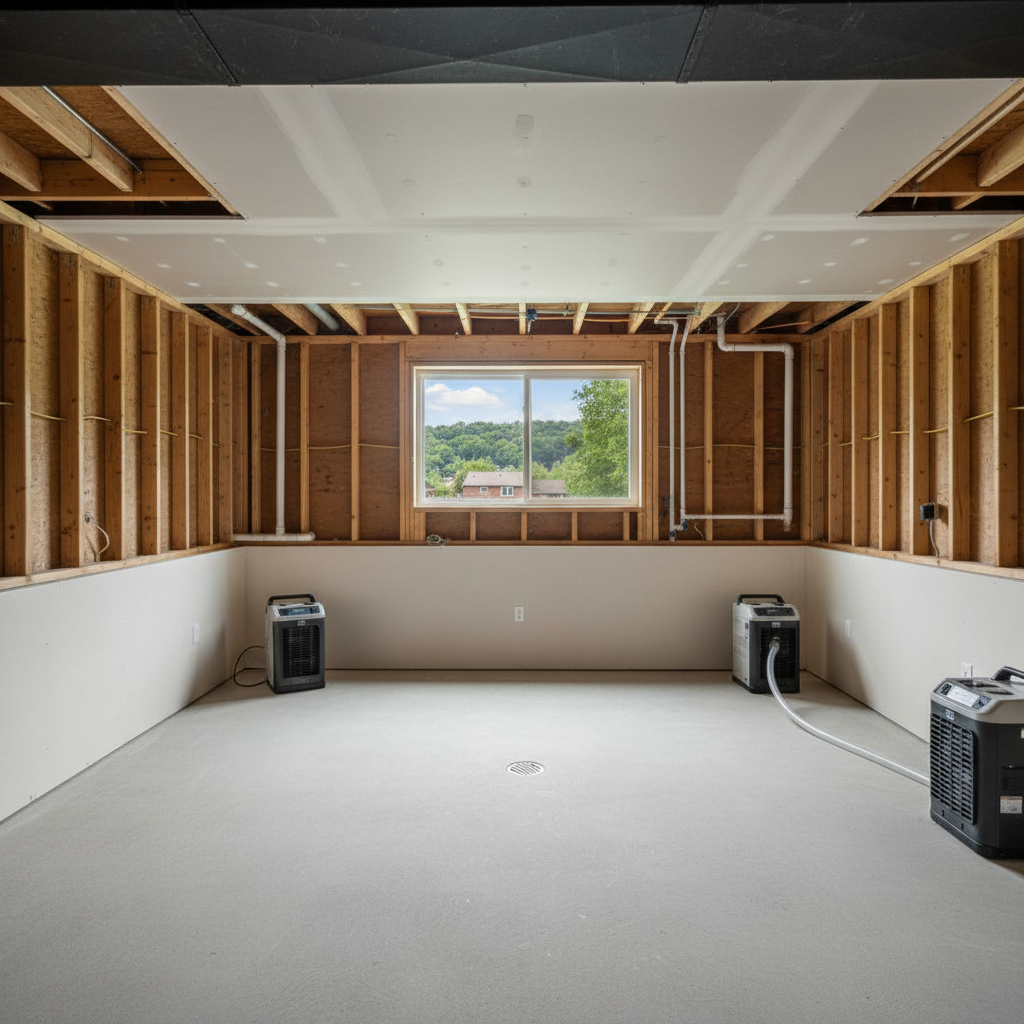
So, you've been through water damage. Maybe a pipe burst, the roof leaked, or your basement flooded after one of those wild Pittsburgh downpours. We came in, got things dry, cleaned up the mess, and put your home back together. But the job isn't *really* finished until you set up a plan to make sure all that hard work lasts and you don't face the same problem again. Think of it like getting your car fixed; you still need to change the oil and rotate the tires, don't you?
Making Your Water Damage Remediation Last
When we wrap up a water damage job, especially if it involved structural drying or mold remediation, we're not just slapping a band-aid on it. We're getting rid of the moisture, fixing the source, and making sure your home is healthy again. To keep it that way, you've got to stay on top of a few things:
- Fix the Source, For Good: If we patched up a leaky pipe, great. But if that leak happened because of old plumbing, consider upgrading that section — or even the whole system — if it's getting on in years. Same goes for roofs. A patch is fine for now, but if your roof is 20+ years old and you're seeing multiple issues, a full replacement could save you a ton of trouble (and cash) later on.
- Improve Drainage: This is a big one in Pittsburgh, especially with all our hills and that clay soil that just doesn't drain well. Make sure your gutters are clean and stretch at least six feet away from your foundation. Check your downspouts; are they sending water into a neighbor's yard or a low spot right next to your house? Regrading the ground around your foundation so it slopes away from the house can make a huge difference, particularly in older homes in neighborhoods like Dormont or Mt. Washington, where properties often sit right on a hillside.
- Keep Indoor Humidity in Check: We dry things out to specific levels. Keeping your indoor humidity between 30-50% is crucial for stopping mold from growing back, especially in basements. A good dehumidifier, particularly during our sticky summers, is a smart buy. You'll feel the difference, and your house will thank you for it.
Regular Maintenance: Your Home's Check-Up
This isn't brain surgery, but it's easy to forget until there's a real problem. A little bit of proactive work goes a long, long way:
- Check Plumbing Regularly: Take five minutes once a month to peek under sinks, around toilets, and near appliances like your washing machine or water heater. Look for drips, stains, or any signs of moisture. A tiny drip today can turn into a huge headache next month.
- Clean Gutters and Downspouts: Do this at least twice a year, more often if you've got a lot of trees. Clogged gutters mean water overflowing and pooling right against your foundation — that's an express lane for water into your basement.
- Inspect Your Roof: After heavy storms, or at least once a year, do a visual check from the ground or a ladder if you're comfortable. Look for missing shingles, damaged flashing around vents or chimneys, or any obvious wear and tear.
- Watch Your Basement/Crawl Space: These spots are ground zero for moisture problems. Smell anything musty? See any discoloration on walls or floors? Don't just ignore it.
- Test Sump Pumps: If you have one, dump a bucket of water into the pit to make sure it kicks on and pumps out properly. Do this every few months, especially before heavy rain seasons hit.
Warning Signs That Something's Not Right
You've got to be alert. Your nose and eyes are your best tools here, honestly.
- Musty Odors: This is probably the biggest sign of hidden moisture or mold. If you catch a damp, earthy smell, especially in a basement or a room you don't use much, investigate right away.
- Stains or Discoloration: Yellow, brown, or dark spots on ceilings, walls, or floors where they shouldn't be. These are often water stains, plain and simple.
- Peeling Paint or Wallpaper: Moisture behind a wall can make paint bubble or peel, and wallpaper lift or wrinkle.
- Warping or Swelling Materials: Hardwood floors cupping or crowning, baseboards swelling, or drywall looking soft and spongy. These all point to water getting in.
- Increased Allergy Symptoms: If you or family members are experiencing unexplained allergy-like symptoms (sneezing, coughing, itchy eyes), especially when you're home, it could be a sign of mold.
When to Call a Pro (Like Us at Absolute Restoration)
Look, I'm a big believer in homeowners handling what they can. But sometimes you just need to call in the experts. Don't hesitate if:
- You Find a New Leak You Can't Pinpoint: Some leaks are obvious, others are sneaky. If you see water damage but can't find where it's coming from, we have the tools and experience to track it down without tearing your house apart.
- The Area is Big or Won't Go Away: If you've got more than a small puddle or a damp spot that just won't dry out, or if the problem keeps popping up, it's time to call. Large areas mean potential for structural issues and widespread mold, after all.
- You Think You Have Mold: If you see visible mold growth, especially an area bigger than a dinner plate, or you've got that strong musty smell, don't try to clean it yourself with bleach. You could spread spores and make the problem worse. We've got the right containment and cleanup procedures.
- You're Dealing with Contaminated Water: If the water came from a sewage backup or an outdoor flood, it's considered black water and is super unsanitary. This is not a DIY job; it needs specialized cleaning and disinfection.
- Your Insurance Company is Involved: We work with insurance companies all the time. We can help document the damage and make sure the cleanup process meets their requirements.
Your home is a huge investment, and keeping it dry and healthy after water damage is absolutely critical. A little bit of attention now can save you a whole lot of headaches and money down the road. If you're ever unsure, just give Absolute Restoration a call. We're here to help Pittsburgh homeowners keep their homes safe and dry.