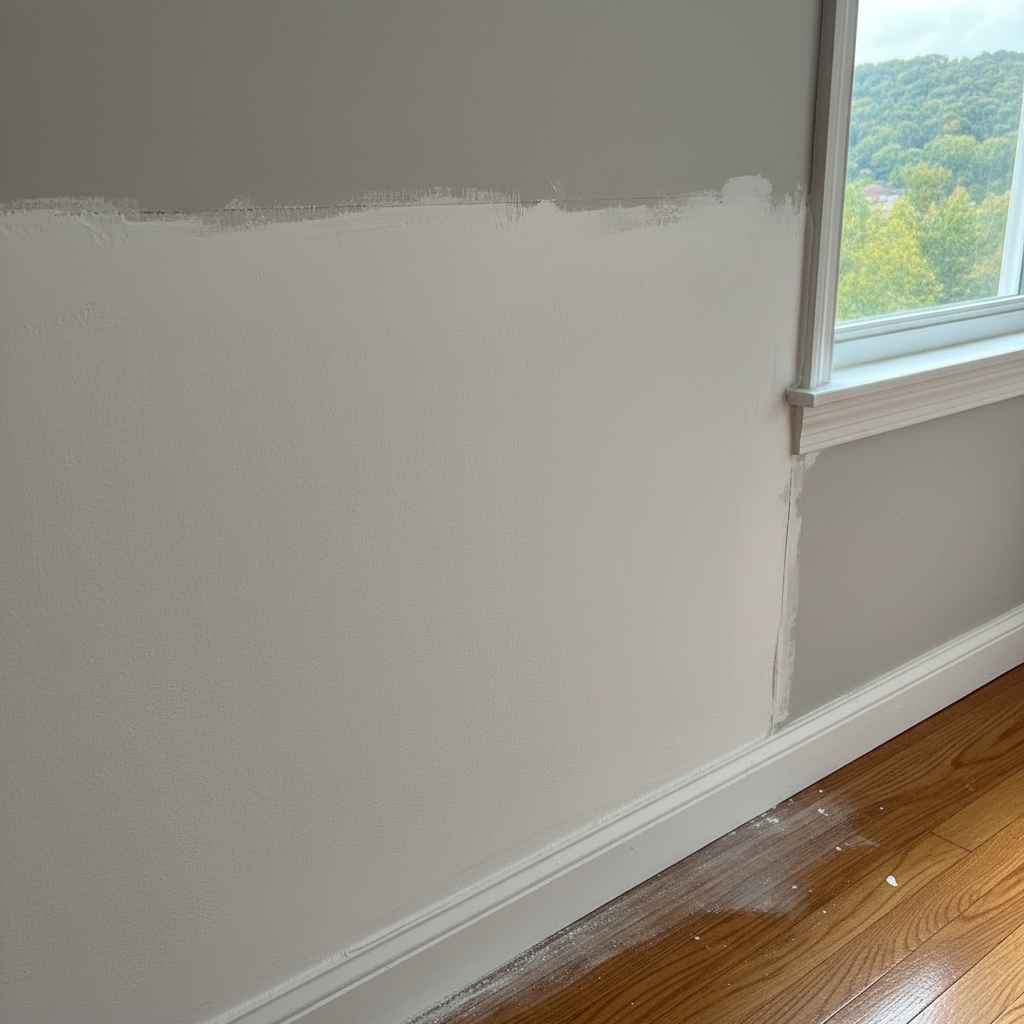
Ever walk down into a basement in Crafton or Brookline after a heavy spring downpour and catch that unmistakable musty smell? Mold in Pittsburgh homes is just a fact of life given our damp river valleys and old housing stock. But finding a patch of fuzz on your drywall does not automatically mean you need to panic or empty your savings account. The real question is figuring out what you can safely wipe down yourself and when it is time to bring in professional muscle.
Before You Touch That Bleach Bottle
Stop right there before you grab a sponge. Taking the wrong first step with mold usually makes things worse by launching millions of spores into the air to settle somewhere else in your house. If the affected area is smaller than a standard sheet of paper, which is roughly ten square feet, you can probably handle it. Anything larger than that, especially if it is hiding inside your wall cavities or HVAC ducts, needs a proper containment strategy.
You also need to find the moisture source. If you clean up a patch in your Beechview basement but do not fix the slow seepage coming through the fieldstone foundation, that mold will be back soon. Check for pipe leaks, roof drips, and poor exterior grading that pushes water right against your siding. If the wood framing feels damp to the touch, you have a moisture problem to solve first.
Rolling Up Your Sleeves: The DIY Phase
For small surface patches on hard, non-porous materials like tile, metal, or glass, you can do this yourself. Skip the harsh bleach. Studies show it does not kill mold roots on porous surfaces like drywall or wood; it just clears the surface color while leaving the spores intact underneath. Use a mixture of warm water and dish soap or a dedicated mold-cleaning product, scrub the area firmly, and dry it completely with a box fan.
- Wear an N95 respirator mask so you are not breathing in stray spores
- Put on rubber gloves and old clothes you can toss right into the wash
- Bag up any contaminated porous items like small rugs or cardboard boxes
When to Hand the Job Over to Absolute Restoration
There comes a point where DIY advice stops being helpful and starts being dangerous. If the mold covers a large area, or if it is the result of category three sewage backup from a backed-up municipal line, put down the sponge. You also need professional help if you are dealing with toxic black mold strains or if anyone in your household has severe asthma or compromised immunity.
Absolute Restoration provides Water Damage Restoration services for homes in Pittsburgh, PA. When you call a pro crew, we do not just spray and cross our fingers. We set up heavy-duty negative air machines with HEPA filtration to trap spores before they can drift upstairs into your living room. We seal off the work zone with heavy plastic barriers, rip out hopelessly compromised drywall or insulation, and treat the remaining framing with antimicrobial agents that actually penetrate deep into the wood pores.
After the Cleanup: Keeping It Gone
Once the remediation work is done, your job shifts to maintenance. Pittsburgh weather will test your resolve, but a couple of smart habits will keep your air clean. Run a dehumidifier in the basement religiously from May through September. Keep your gutters clean so rainwater dumps far away from your foundation walls. If you stay on top of the moisture, you will not have to worry about seeing us again anytime soon.