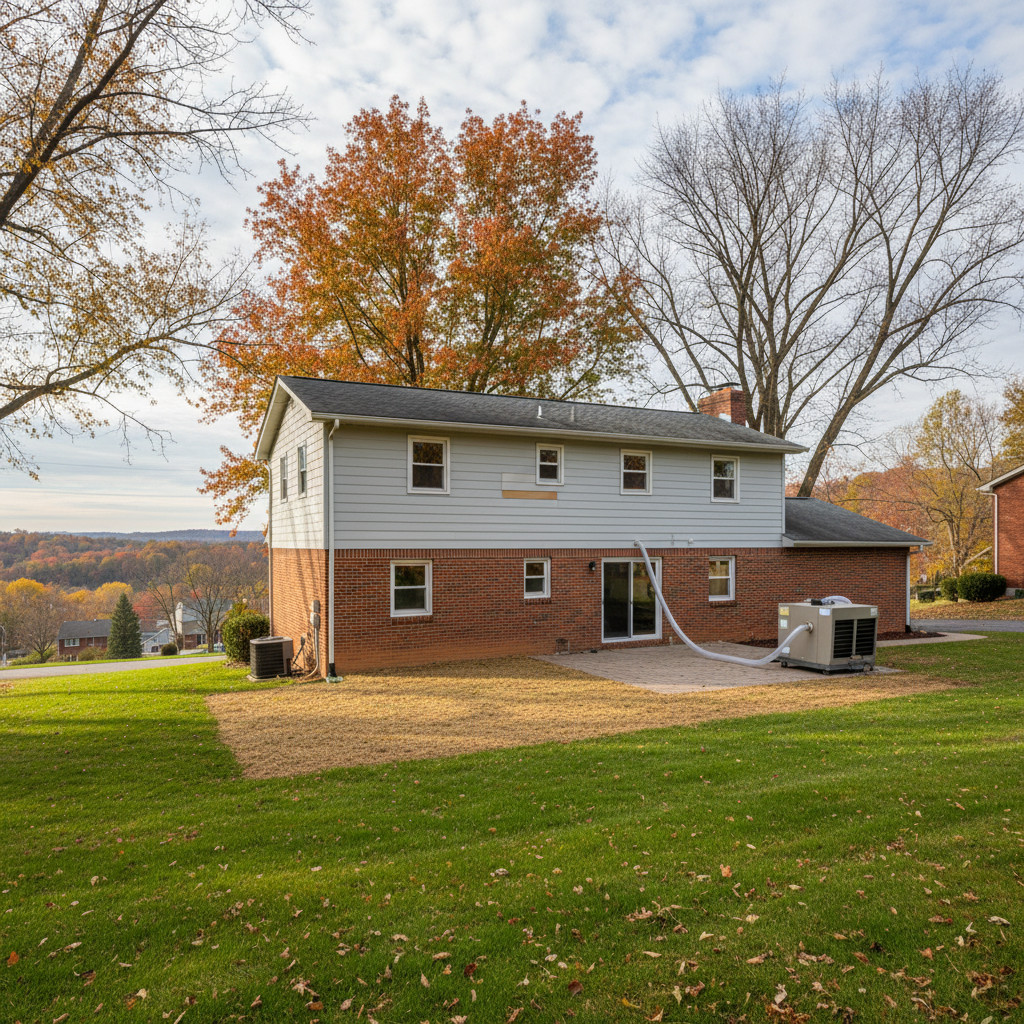
Drying out a damp basement in a Squirrel Hill home feels completely different than drying a house out down south. Here in western Pennsylvania, our climate throws everything it has at our building materials. We deal with heavy clay soils that hold onto moisture, spring downpours that test every foundation wall, and freezing winters that make structural drying a tricky science. If you have water sitting where it should not, understanding how our local atmosphere affects the evaporation process can save you a bundle on repairs.
How Pittsburgh Weather Changes the Drying Game
Water does not evaporate into thin air just because you put a fan in the room. It needs the right relative humidity and temperature to actually leave your studs, subfloors, and drywall. During our muggy summers, the outside air is already thick with moisture, meaning you cannot just throw open the windows to dry out a damp crawlspace. You have to rely on commercial low-grain refrigerant dehumidifiers that can pull moisture even when the air feels sticky.
Winter brings the exact opposite headache. When a pipe freezes and bursts in an unheated utility room during a bitter January freeze, the ambient temperature drops too low for standard equipment to work efficiently. Absolute Restoration sees a massive spike in frozen plumbing issues when sub-zero winds sweep down off the rivers. When temperatures drop below freezing, we have to switch tactics and bring in specialized desiccant equipment because standard refrigerant units simply freeze up on the job.
Timing Your Maintenance and Inspections
Homeowners should not wait for a major plumbing failure or a torrential spring storm to think about home moisture defenses. Spring and late autumn are prime times to check your foundation and grading. Because our local clay expands and contracts with moisture and frost, small cracks turn into major seepage points if you ignore them through the freeze-thaw cycles.
- Clear your gutters well before the first winter freeze so melting snow has a clear path away from your siding.
- Test your sump pump in early spring before the heavy rains start pounding the hillsides.
- Inspect your basement rim joists twice a year for any signs of white efflorescence, that white powdery substance, or damp wood.
- Keep a close eye on indoor humidity levels once the summer humidity peaks.
Protecting Your Investment Year-Round
Keeping your property dry is not a one-and-done project. It is an ongoing habit that matches our changing seasons. If you experience a leak, speed is very important. Wood framing and drywall in older Pittsburgh houses soak up water fast, and mold does not wait around. Taking care of minor moisture issues before they turn into structural rot ensures your house stands strong against whatever weather the Ohio River valley dishes out next. For homes and businesses in Pittsburgh, Absolute Restoration provides Water Damage Restoration Service.