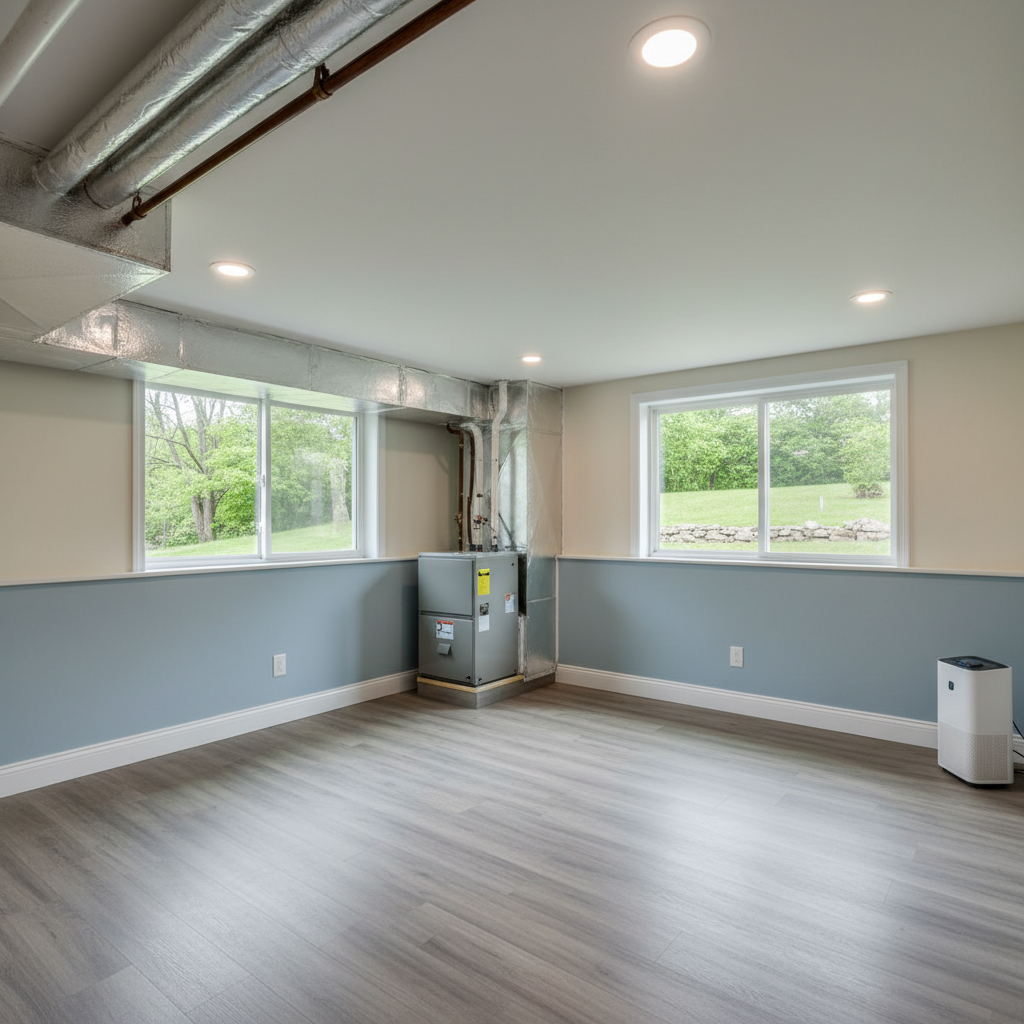
So, you've been through it. Water damage is no fun, and getting your home back to normal after remediation is a relief. But here's the thing: that relief can be short-lived if you don't keep an eye on things. I've seen too many folks think the job's done and forget about it, only to face another problem down the road. You've invested time and money in getting your home fixed; now let's make sure that investment pays off for the long haul.
Extending the Life of Your Water Damage Remediation
When we come in to fix water damage, whether it's from a burst pipe or a leaky roof, our goal at Absolute Restoration is to not just dry it out, but to make sure the underlying issues are addressed and everything's put back right. But even the best remediation work needs a little help from you to truly last. Think of it like getting your car fixed; you still need to change the oil, right?
First off, understand what caused the damage in the first place. If it was a plumbing leak, make sure that specific pipe isn't just patched but properly repaired or replaced. If it was a foundation issue letting water in, ensure the exterior grading or drainage is fixed. We'll always advise you on this, but it's your responsibility to follow through on those recommendations. For example, if we told you your downspouts were dumping water right against your foundation, get those extensions on there. It's a simple fix that prevents a huge headache.
Another big one, especially around here with our freeze-thaw cycles, is insulation. If your water damage was from frozen pipes, you absolutely need to improve your insulation in those vulnerable areas. Crawl spaces, attics, and even exterior walls in older homes in places like the South Hills can be real problem spots. Proper insulation keeps pipes from freezing and helps regulate indoor humidity, which is a big deal for preventing mold regrowth.
Regular Maintenance: Your Best Defense
This isn't rocket science, but it's often overlooked. Regular maintenance is your secret weapon against future water damage. Here's what I tell my clients:
- Check your gutters and downspouts: I can't stress this enough, especially in Pittsburgh. Our trees drop a ton of leaves, and those gutters get clogged fast. When they're blocked, water overflows and runs down your siding, often right into your foundation or behind your fascia. Clean them out at least twice a year, more if you have lots of trees.
- Inspect your roof: After a rough winter or a big storm, take a look at your roof. Are there missing shingles? Is flashing around chimneys or vents lifting? Even a small breach can let in a surprising amount of water over time.
- Test your sump pump: If you have one, pour a bucket of water into the pit to make sure it kicks on. Do this every few months, especially before heavy rain seasons. A failed sump pump is a common cause of basement flooding around here.
- Monitor humidity levels: Invest in a hygrometer (they're cheap). Keep your indoor humidity between 30-50%. High humidity, especially in basements, creates an ideal environment for mold, even after remediation. Use dehumidifiers if needed.
- Check plumbing regularly: Look under sinks, around toilets, and near your water heater for any signs of drips or moisture. Small leaks can become big problems quickly.
Warning Signs That Something's Wrong
You've got to be vigilant. Your home will often give you clues before a small problem becomes a major disaster. Don't ignore these:
- Musty odors: This is a classic sign of mold or mildew, even if you can't see it. If you smell it, investigate.
- Discoloration or staining: Yellow, brown, or dark spots on ceilings, walls, or floors are a dead giveaway for water intrusion.
- Peeling paint or wallpaper: Moisture behind walls can cause paint to bubble or peel.
- Warping or buckling materials: Hardwood floors, baseboards, or drywall that starts to warp or buckle indicates excess moisture.
- Dripping sounds: If you hear dripping inside walls or ceilings where there shouldn't be, it's time to find the source.
- Sudden increase in water bill: This is often the first sign of a hidden leak.
When to Call a Professional
Look, I'm all for DIY, but some things are best left to the pros. You should definitely call us or another qualified professional if:
- You find significant water damage again: If you're seeing standing water, large areas of dampness, or extensive staining, don't try to tackle it yourself. You need proper drying equipment and expertise to prevent mold and structural issues.
- You suspect mold: If you see visible mold growth larger than a small patch, or if you have persistent musty smells even after cleaning, you need a mold remediation specialist. Trying to clean large areas of mold yourself can spread spores and make the problem worse.
- The source of the leak is unclear or inaccessible: If you can't figure out where the water is coming from, or if it's behind a wall or under a floor, you need someone with the right tools and experience to locate and fix it without causing more damage.
- You're dealing with contaminated water: If the water is from a sewage backup or a flood from outside, it's considered black water and can contain harmful bacteria and pathogens. This requires specialized handling and disinfection.
- You're concerned about structural integrity: If water has affected load-bearing walls, ceilings, or your foundation, you need professional assessment to ensure your home is safe.
Taking care of your home after water damage remediation isn't just about protecting your investment; it's about protecting your peace of mind. A little vigilance goes a long way in keeping your Pittsburgh home dry and healthy.